Tag: Boundaries

  • I Can’t Remember Anything….or Can I?

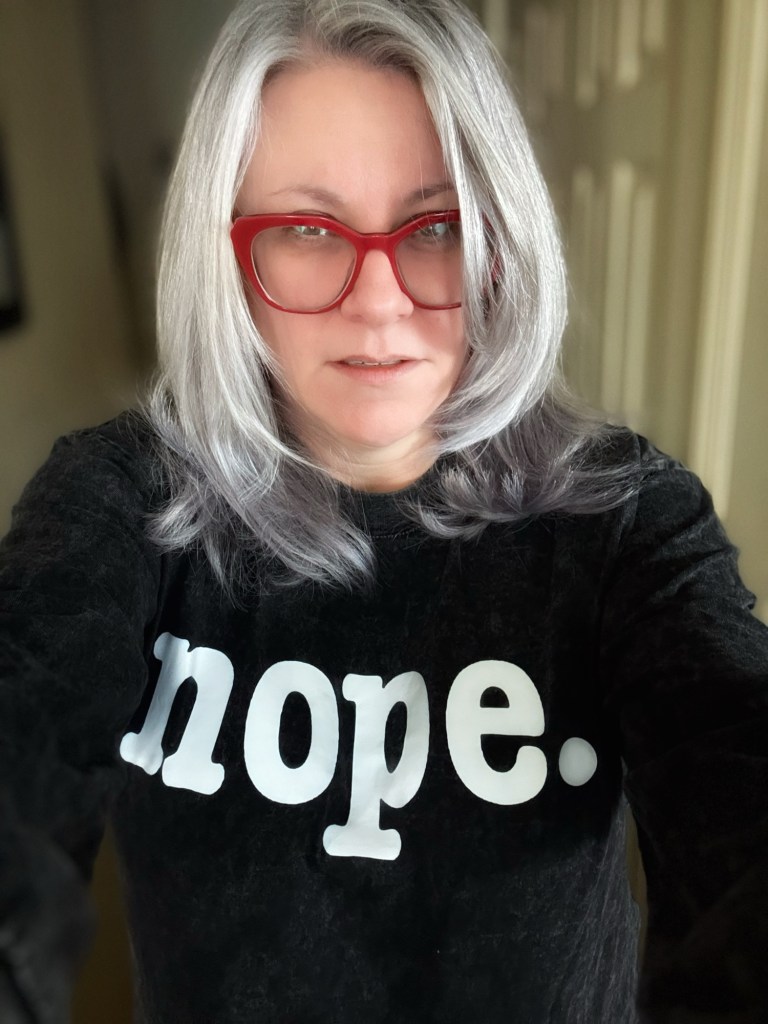
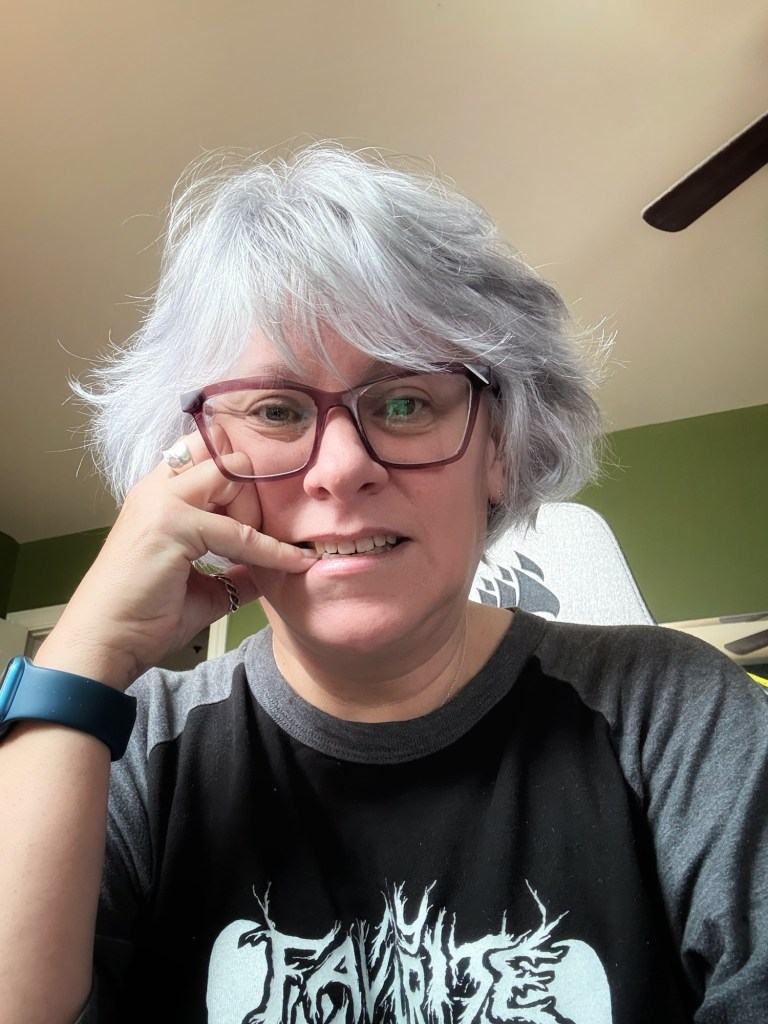
    Is she thinking? Is she plotting? Does she know anything?

    I can tell you two things.

    I know what I know. I also know what I don’t know.

    Still, there are moments when answers don’t come as quickly as they used to, and those moments shake my confidence. In a world where information is a thumb‑tap away, we expect instant answers. That expectation makes uncertainty feel like failure.

    When I first started working, you wrote letters and waited a week or two for a reply. You picked up a desk phone and called someone to resolve an issue. There was time built into the process — time to think, to gather facts, to let an answer settle. It’s no wonder anxiety has risen. We are not given time to work through problems before we respond. We have been conditioned to be “on” all the time.

    For years the grind was worn like a badge. I have been through a lot and worked on very difficult projects. I have learned — finally, I hope — that working without living is harmful. Being constantly “on” is what makes me stumble: anxiety rises, my thoughts tangle, and I don’t give myself the space to really consider what I’m being asked.

    Now that I am seasoned (read: over 50, lol), there are times when my train of thought simply disappears. It’s gone, and panic follows. I worry they will think I’m not knowledgeable, that they will doubt my expertise.

    Then the voice in my head: AM I LOSING MY MIND? (Reader, she was not losing her mind.)

    The key for me is to pause. Pausing lets the crossed wires uncross themselves. It reminds me that I do know things, and that clarity often comes after rest. To be responsive and helpful I need recovery time.

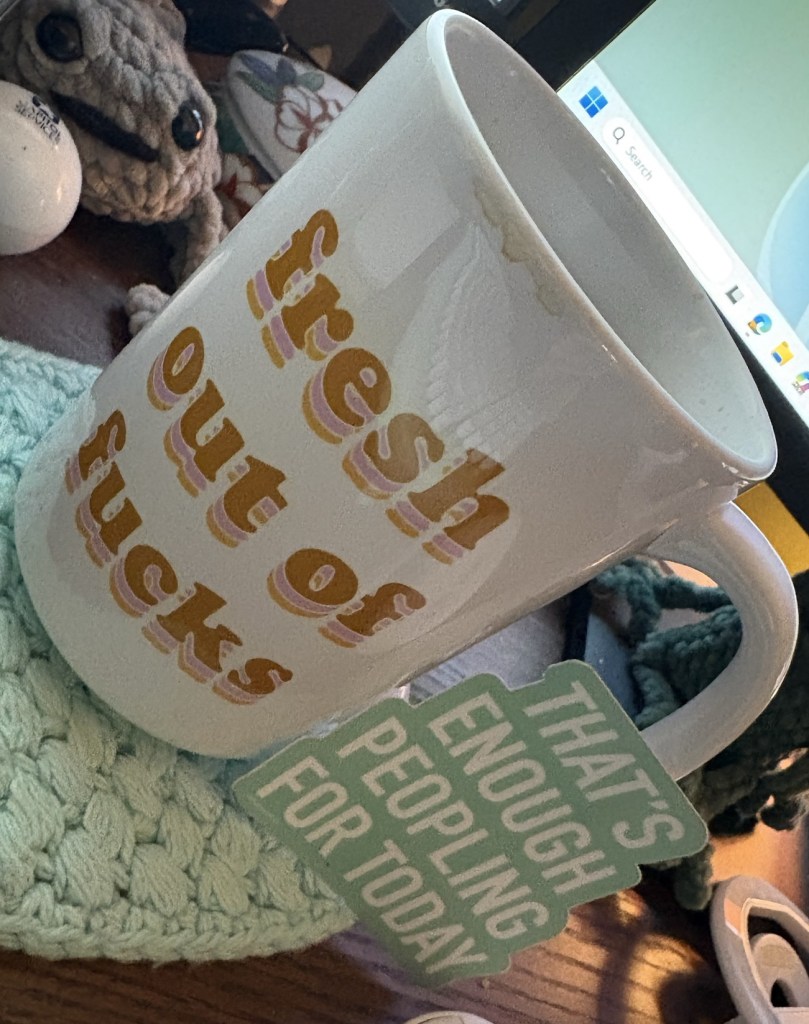
    Boundaries about when I am available are now at the top of my list. I carve out the first part of my morning to review new emails and requests from the day before. That quiet window helps me prioritize what needs attention and what can wait. I have also blocked out my lunch hour. It’s making a big difference: I’m not fighting to stay awake at 3 p.m., and I’m more able to listen — really listen — instead of rushing to respond.

    Slowing down doesn’t mean falling behind. It means giving myself the time to think, recover, and show up with the clarity my work deserves.

  • Huh? They Said What?

    The gut reaction to say what you really want is something you learn to subdue over time.

    After years of managing people and processes, I’ve learned that pausing before I speak is essential. When challenged, the first instinct is to defend — it’s human nature. Reacting without hesitation rarely produced the results I needed. I used to feel I had to respond immediately to questions, emails, and phone calls.

    A career coach taught me I don’t have to answer in the moment. Pausing resets your brain and lets you process what’s being asked or receive feedback constructively. You won’t always get feedback delivered kindly. That’s when the pause matters most. You may be catching someone in their worst moment; it’s not always about you, and it’s not the time for a snarky comeback.

    Living with a mental illness makes this especially hard. I tend to take things personally. Through coaching and therapy I’ve learned compassion — for myself and for others.

    Staying calm in stressful moments is difficult, especially when the work being criticized is something you’ve poured yourself into. It’s your baby, your work in progress, and you’ve worked hard on it. I now try to parse feedback and see it from the other person’s perspective. What am I missing? What could be done differently or more efficiently?

    What I’ve learned is this: don’t try to be the smartest person in the room. Collaboration and growth depends on it. I’m always learning and expanding my skills; teaching others comes next. Surrounding yourself with people who challenge you is top tier.

    So the next time you feel under attack and want to say, “What the fuck were you thinking?” — pause.

    Breathe.

    Ask questions.

    Dig a bit deeper.

    It’s not you. It’s the moment.

  • White Knuckling the 9 to 5

    img_0939

    The drive. The hustle.

    The badge of honour we place on how “busy” we are.

    I have worn that badge many times. I have burnt myself OUT multiple times, to my detriment.

    When I was younger I worked “harder”. Not always because I felt like I had to prove something, but because I was a single mother. I had another human depending on me.

    In a recent therapy session, we discussed the “white knuckling” of the “9-5”.

    I have been working on boundaries for a few years now. I have tendency to ALWAYS go above and beyond, all the while ignoring my own needs.

    Hyper focusing on the task in front of me.

    Demanding perfection and nothing less.

    Boundaries are helping me work smarter. Learning to say no when it matters is making a big difference.

    I can hear some of you now: “What about the client(s)? Do they not deserve our full attention and our best effort?”

    They absolutely do.

    Here’s the thing: If I overcommit myself, I am then attempting to “multitask”. This means I am not able to commit the time I need to each project. This means that I NOT giving the client(s) my best effort. This ensures that mistakes will be made.

    My therapist asked me this simple question when I described my need to overperform: “What if you tried softer? What would that look like for you?”

    That forced me to sit in something uncomfortable.

    My need to please overshadowed all. My worth has been tied up in how I am perceived.

    Trying softer for me means setting AND enforcing my boundaries. Those boundaries have consequences. They need to be reinforced.

    That may not sound “soft”. It IS however necessary.

    Every time I’ve pushed myself past what I can reasonably hold, the fallout has been predictable: rushed work, short patience and a version of myself that I don’t particularly like. There’s nothing noble about it. Nothing heroic.

    I’m learning to stop before I hit that point – not because I am “fragile” or I cannot “handle it”, but because I want to be present, thoughtful, and human in the places that matter.

    This means a win for everyone: my colleagues, clients, and family.

    For me, the days of working “harder” are shifting.

    I am honouring my actual capacity.

    It’s not glamourous, but it’s honest.

    I have “white-knuckled” my way through more workdays than I can count, believing that “grit” was the same thing as purpose.

    It never was, and that era is over.

    Midlife has given me the nerve to loosen my grip and walk toward something that feels like mine – not something I have survive.